Different Types of Glazing Gasket
There are many different types of glazing gaskets, each designed to provide specific sealing functions and performance characteristics. These gaskets vary in material, shape and flexibility, and the right choice depends on the specific needs of your window or door installation. Understanding the different profiles will help you choose the best option for your particular application and ensure long-lasting performance.
To identify the type of profile that is currently being used to seal your window or door, you will need to partly remove it from the channel. To do this, open your window or door and find the area in the seal where the two ends join. Gently pull on one of the ends to loosen it from the channel. Looking at the end of the gasket, you should be able to identify whether you have a wedge gasket, E gasket, bubble gasket or flipper gasket.
The images below show the most common shape of each type of profile. However, as there are large number of different options available, your gasket may be slightly different in shape or size from what is pictured below.
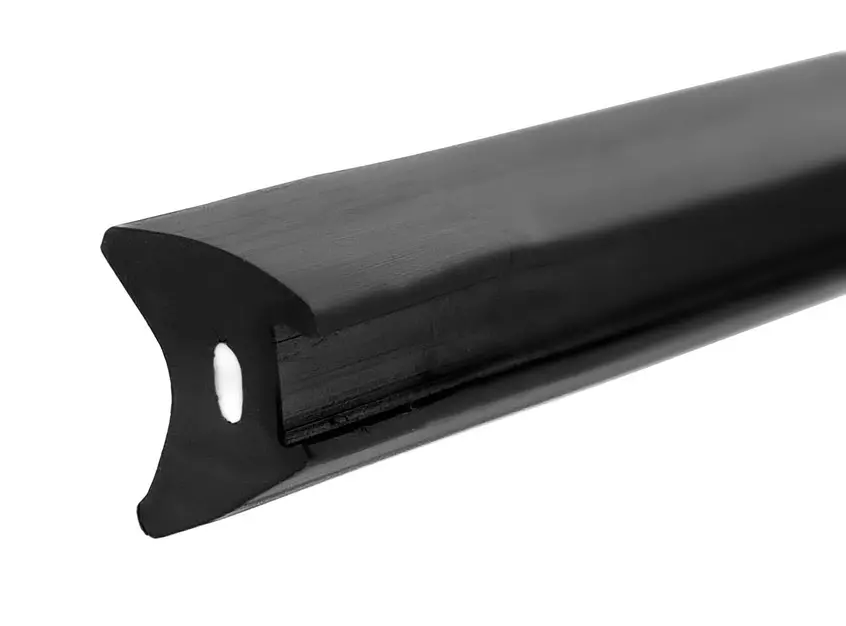
Wedge Gaskets
A wedge gasket is a type of glazing gasket that is designed to be pushed firmly into the glazing channel to secure the glass in place. It works by creating pressure between the glass and the frame, forming a tight, weather-resistant seal. Wedge gaskets are commonly used in uPVC and aluminium window systems and are available in a range of sizes to suit different glass thicknesses. When correctly fitted, they help prevent drafts, water ingress, and movement of the glass.
How to Measure and Identify Replacement Wedge GasketsBuy a Replacement Wedge Gasket
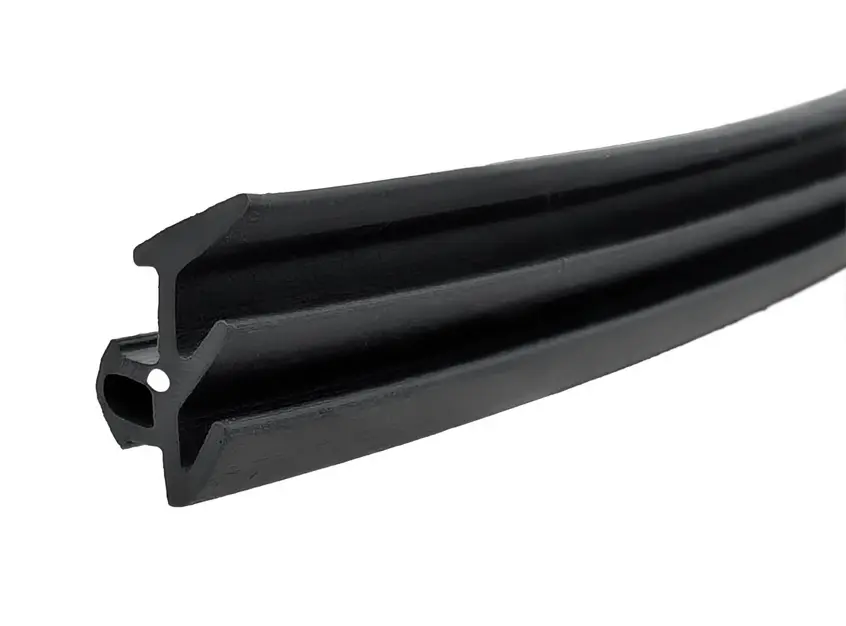
E Gaskets
E gaskets take their name from the distinctive E-shaped cross section and are widely used in uPVC window and door glazing systems. While they perform a similar sealing function to wedge gaskets, they feature an arrow-shaped foot that securely holds the gasket into the glazing channel. This design prevents the seal from shifting and makes it easier to fit the glass without having to hold the gasket in place. The three sealing fins built into the profile give the gasket flexibility, allowing it to cope with small movements and tolerances within the frame.
How to Measure and Identify Replacement E Gaskets
Buy a Replacement E Gasket
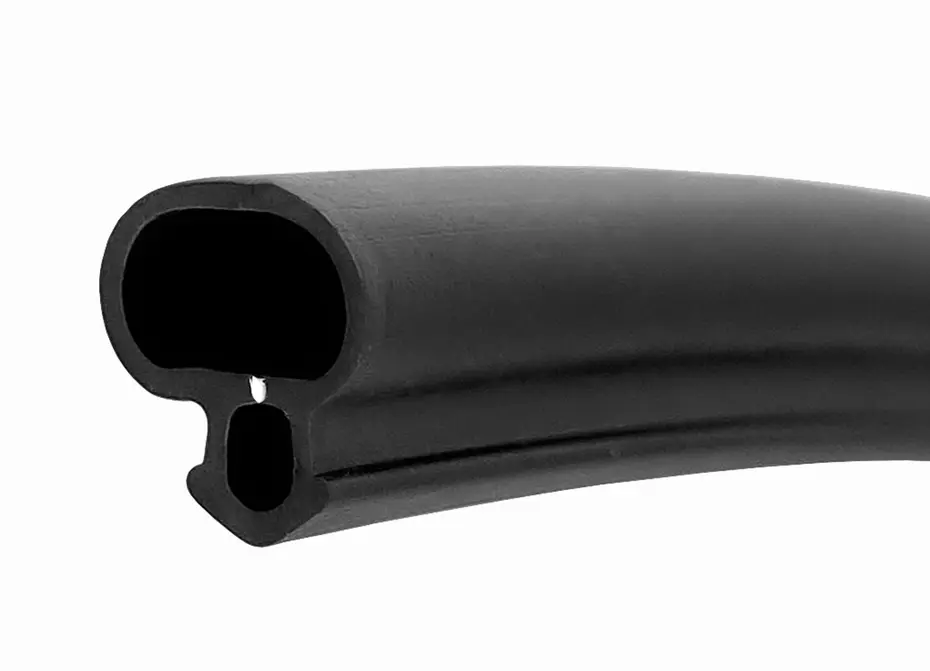
Bubble Gaskets
Bubble gaskets are widely used in uPVC windows and frames to form an effective watertight seal. Their name comes from the rounded bubble-style profile that compresses tightly when a window or door is shut. As these seals age, they can shrink, split or lose their ability to insulate properly. Replacing worn bubble gaskets helps stop water penetration, reduce heat loss and maintain the overall energy efficiency and comfort of your home.
How to Measure and Identify Replacement Bubble Gaskets
Buy a Replacement Bubble Gasket
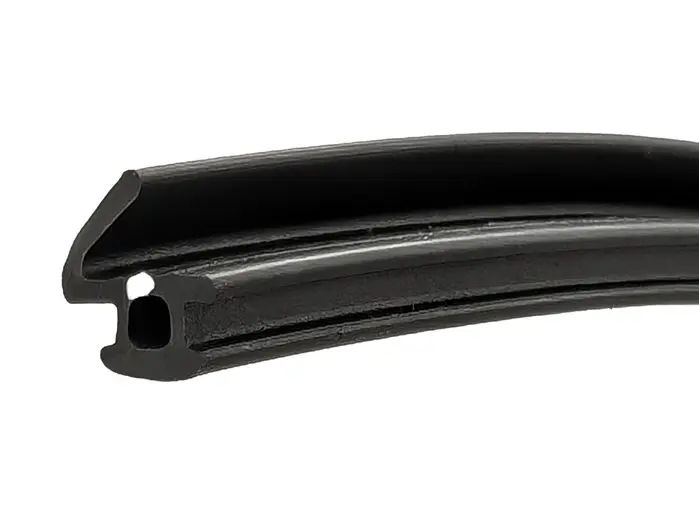
Flipper Gaskets
Flipper gaskets are a different type of seal commonly found on many uPVC windows and doors. They are designed with an arrow or T shaped foot that fits firmly into the frame and a flexible flipper that compresses to create a seal when the window or door is closed. This action creates a reliable seal while allowing for slight variations in alignment between the sash and frame. As a result, flipper gaskets help maintain consistent performance even when minor installation tolerances are present.
How to Measure and Identify Replacement Flipper Gaskets
Buy a Replacement Flipper Gasket
How to Measure and Identify a Wedge Gasket
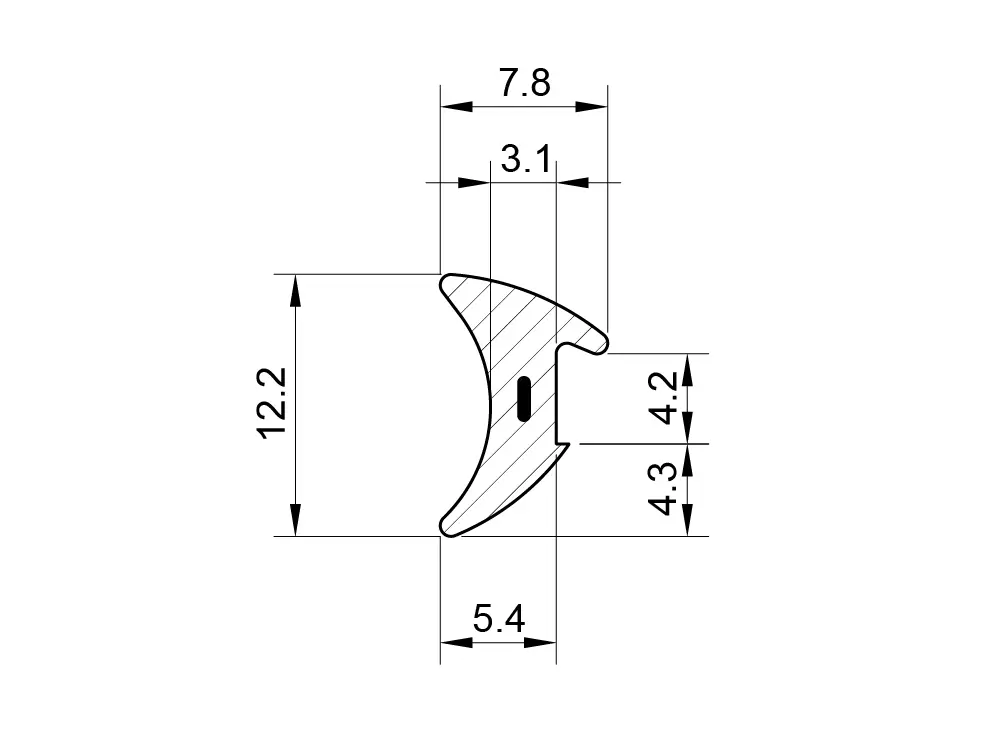
Wedge gaskets are used to seal most window panes in almost all residential and commercial windows. They are inserted between the glass and frame to apply compression against the glass and hold the window firmly in place. They help create a water and air-tight seal. To identify a replacement wedge gasket, you will need to measure the gap where the seal will be inserted. This will ensure that you purchase a replacement section that puts adequate force against the glass window pane but is not too difficult to insert.
Measure the Gap
There are several ways to take this measurement. One method is to remove the existing wedge gasket from one side of the window frame and use a ruler to measure the gap between the glass and the frame. This method is generally very accurate; however, ensure that your ruler starts at zero with no spacing before the first measurement, as this could result in an inaccurate reading.
When using this approach, we recommend removing only a small section of the wedge gasket from one side of the window pane. This helps prevent the glazing gasket on the opposite side from pushing the glass inward, which could reduce the gap you are measuring.
If you can disassemble the window frame, it may be easier to remove the glass pane and measure the internal width of the channel and the thickness of the glass. Once you have these measurements, you can calculate the gap on either side of the glass. For example, if the internal channel width is 30mm and the glass thickness is 24mm, this leaves a 3mm gap on each side.
This method can be challenging for large uPVC windows but is often the preferred approach for identifying a replacement wedge gasket in aluminium window frames, particularly on boats and some older caravans.
Please visit our Measure the Gap for Wedge Gaskets technical help page for a video demonstration that shows how to take this measurement.
If you need help selecting the correct wedge gasket for your window or door, the team at Seals Direct are on hand to assist. With a wide range of gasket profiles available, we can help you identify the correct size and shape for your application. Our experienced technical staff are available to offer guidance and ensure you choose a wedge gasket that fits securely and performs as intended.
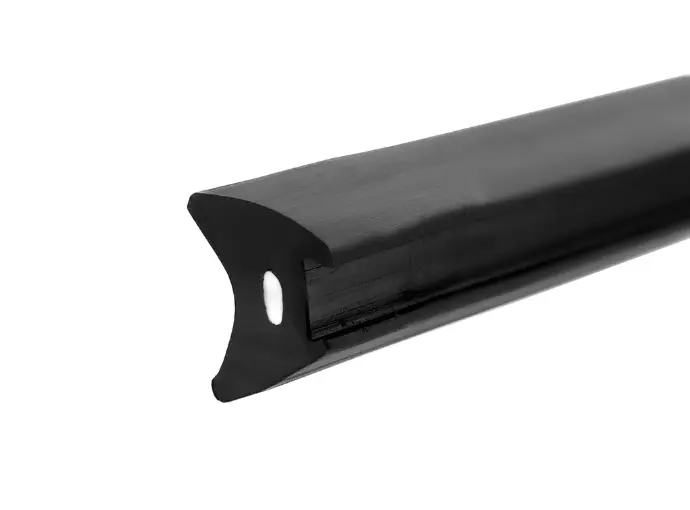
Wedge Gasket
Order your replacement wedge gasket from our large range of stocked items. Gaskets suitable for 1.5mm to 9mm gaps.
How to Measure and Identify an E Gasket
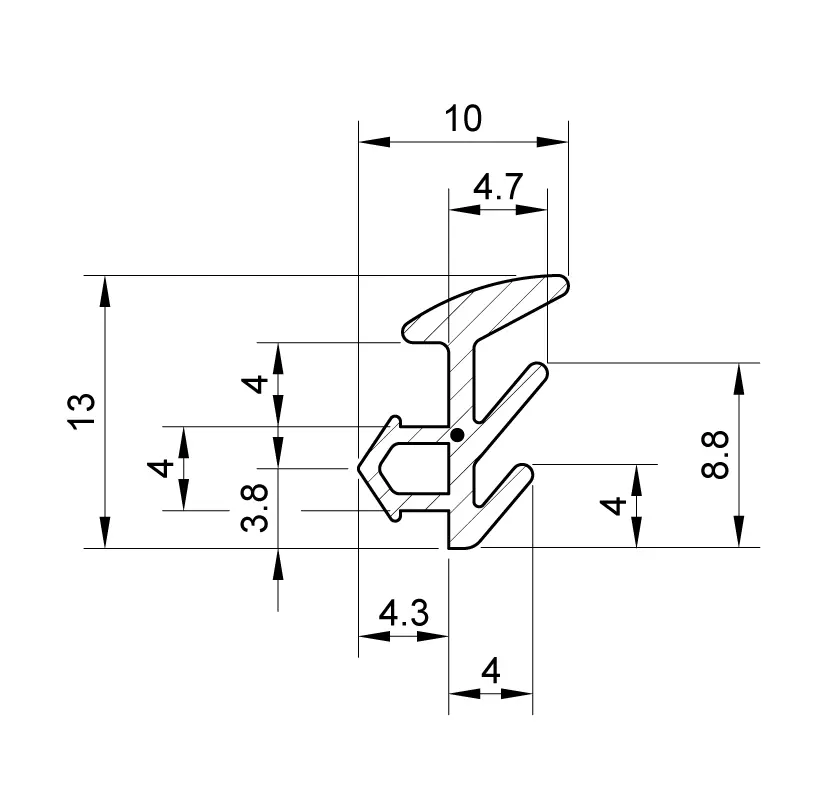
E gaskets are commonly used in window systems and function in a similar way to wedge gaskets by applying pressure against the glass to create a secure seal. However, rather than being pushed into the gap between the glass and frame, E gaskets are typically installed before the glass is fitted. The arrow-shaped foot of the gasket is pressed into a dedicated slot within the window frame, holding it firmly in position while the glass pane is installed. Once fitted, the gasket applies pressure to the glass and forms a water and air-tight seal.
When replacing an E gasket it is important to find a section that has a foot suitably sized to fit in the slot and sits flush with the top of the channel.
Foot
The foot on an E gasket usually resembles an arrow but can also be T shaped. This shape allows the profile to securely hold itself into the slot in the channel. It is fairly critical to find a replacement gasket of a similar size as using a profile with a foot that is too small may allow the profile to fall out of the channel. However, using a profile with a foot that is too big will cause difficulties in inserting the gasket in the first place.
If your existing seal is still in a reasonable condition, you can measure the foot on your current seal and then use the dimension drawings on our website to locate a similar-sized profile.
If your existing seal has badly deteriorated or you cannot obtain an accurate measurement, you will need to measure the channel slot in the window frame. This is the slot that the E gasket will be pushed into. These slots can either be straight or with a recess/keyway. In both cases, we recommend measuring the opening of the slot. This measurement should be close to the size of the foot. For example, the drawing above shows that the size of the foot is 4mm (the far left 4mm measurement). This gasket is most suited to a 4mm gap. All of the E gaskets on our website show the slot size that they are suitable for.
Top of Channel
The second important dimension of an E gasket is the measurement between the top of the arrow foot and the bottom of the top lip. Choosing the correct profile will help you ensure that when the seal is inserted into the window slot, the top of the profile sits flush with the top of the channel. If you were to fit a profile that is too small, this top lip will sit below the top edge of the frame. However, fitting a profile that is too big will cause the top lip to sit proud of the channel and increase the chance of water ingress.
You can take this measurement from the window channel by measuring between the top of the slot and top of the window frame. You would then need to look at the dimension drawings of our standard E gaskets to see if the measurement you have taken is similar to the dimension between the arrow foot and underneath of the top lip.
Alternatively, you can take this measurement from your existing seal.
Choosing the right
E gasket can make a significant difference to the performance and longevity of
your glazing. If you’re unsure which profile is best suited to your frame, Seals
Direct can provide expert advice. As a leading supplier of rubber sealing
products, we stock a large selection of E gaskets and can help you find a
reliable solution for your window or door.
How to Measure and Identify a Bubble Gasket
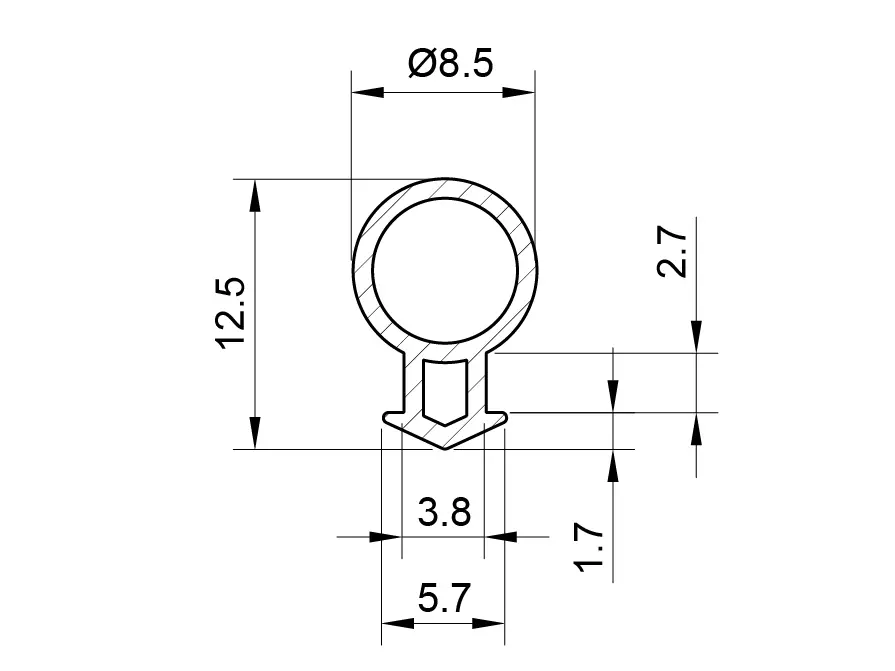
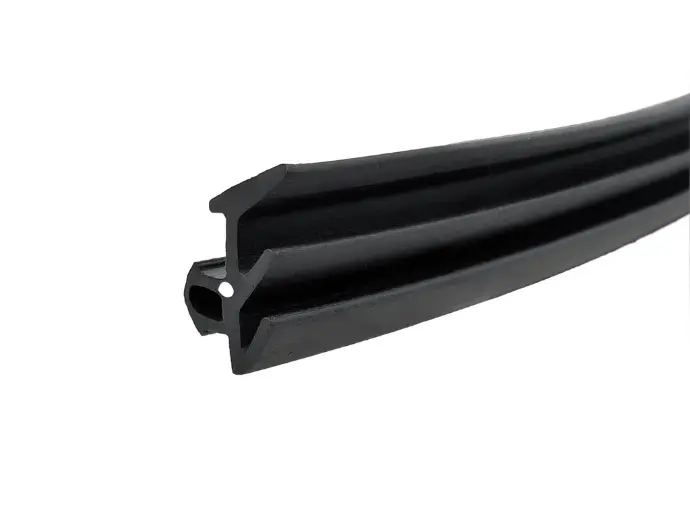
Bubble gaskets are known for their bubble shaped top and arrow shaped foot. The arrow foots holds the gasket into the channel in the frame, and the bubble compresses to create a seal when the window or door is closed. It is important to measure both of these parts when sourcing a replacement bubble gasket to ensure that you get a profile that properly fits into the channel and creates an adequate seal.
Bubble
The bubble on the top of the seal is usually round but can be oval, diamond or teardrop shaped. It is hollow to allow for easy compression when the window or door is closed. The height of this bubble should be around a third bigger than the size of the gap you are looking to seal. For example, if the gap between your window and frame is 6mm, you would want to use a gasket with a bubble around 8mm high.
There are several ways that you can take this measurement. If your existing seal is still in a reasonable condition, you can measure the height of the bubble and use this measurement to find another similar-sized profile.
If your old seal has deteriorated or didn’t create an adequate seal, you will need to measure the gap between the frame and your window or door. This is the gap that you want the new gasket to seal. You may be able to take this measurement by removing the current seal, closing the window or door and measuring the gap using a ruler or vernier. However, due to the construction of some windows and doors, you may have limited access to this area.
If that is the case, you can measure the gap between your window or door and frame using a piece of BluTack. Open the window or door and stick a piece of BluTack onto one side of the gap you are trying to measure. Close and lock the window, which will squash the BluTack to the exact size of the gap. You can then open the window or door, carefully remove the BluTack and measure its thickness. This will give you a fairly accurate measurement of the gap you need to seal.
For more information on this technique, please visit our Measuring a Hidden Gap technical help page.
Foot
The other part of a glazing gasket is the foot. This is usually arrow or T shaped and allows the profile to hold itself into the channel. This is a fairly critical measurement as using a profile with a foot that is too small will cause the profile to fall out of the channel, but using a profile with a foot that is too big will cause difficulties in inserting the gasket in the first place.
If your existing seal is still in a reasonable condition, you can take measurements from the foot and then use the dimension drawings on our website to locate a similar-sized profile.
If you cannot obtain an accurate measurement or your existing seal has badly deteriorated, you will need to measure the channel slot in the window or door frame. This is the slot that the glazing gasket will be fitted into. These slots can either be straight or with a recess/keyway. In both cases, we recommend measuring the opening of the slot.
Finding the correct replacement bubble gasket is essential to achieving a proper seal and preventing draughts or water ingress. If you require assistance measuring or selecting a suitable profile, the team at Seals Direct are happy to help. With an extensive range of bubble gaskets in stock, we can support you in choosing a profile that fits correctly and restores effective sealing.
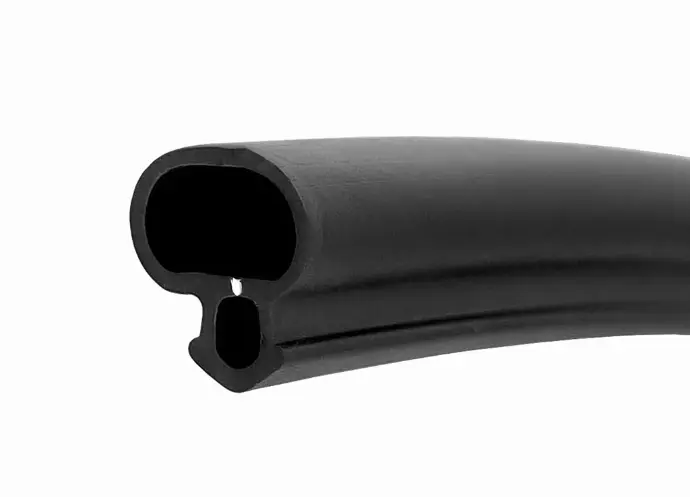
How to Measure and Identify a Flipper Gasket
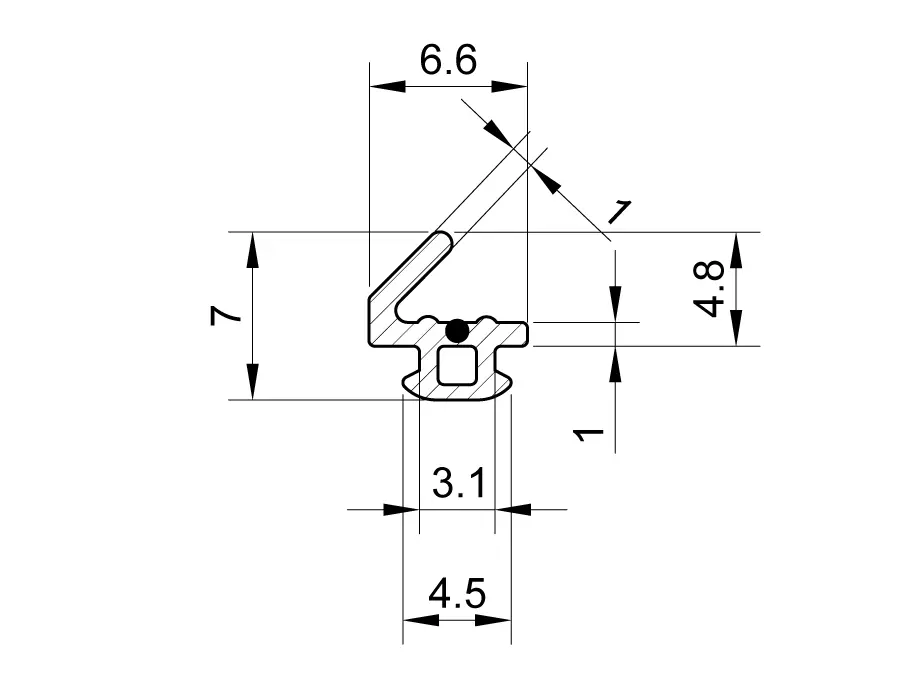
Flipper gaskets are identified by their flexible sealing blade and a retaining foot. The foot is usually arrow or T shaped and helps keep the gasket in the frame channel. The flipper bends back against the frame to form a seal when the window or door is closed. When replacing a flipper gasket, it is important to check both the shape of the flipper and the foot size to ensure the gasket fits securely and provides an effective seal.
Flipper
The flipper section is a thin lip that extends from the main body of the gasket. It is usually straight or slightly angled and relies on its flexibility to deflect against the frame as the window or door closes. Unlike a bubble, the flipper does not compress inward but instead bends to close the gap. The height of the flipper should generally be around a third bigger than the gap it is sealing. For example, if the clearance between the frame and sash is 5mm, a flipper length of approximately 7mm to 8mm would be suitable in most situations.
There are a few methods available to determine the correct flipper size. If the existing gasket is still in fair condition, you can measure the flipper from the top of the foot to the tip of the flipper and use this measurement to identify a similar replacement profile.
If the old gasket is worn, damaged or is failing to seal correctly, you will need to measure the gap between the window or door and the frame. This gap is what the flipper needs to cover. In some situations, it may be possible to remove the existing seal, close the window or door and measure the clearance directly using a ruler or vernier gauge. However, the design of certain frames can make this area difficult to access.
Where access is restricted, the gap can be measured using a small piece of BluTack. With the window or door open, press the BluTack onto one side of the gap you want to measure. Close and lock the window or door so the BluTack is compressed to the exact size of the gap. Once reopened, remove the BluTack carefully and measure its thickness. This provides a reasonably accurate indication of the gap that needs sealing.
Further details on this method can be found on our Measuring a Hidden Gap technical help page.
Foot
The retaining foot is the part of the flipper gasket that fits into the channel within the frame. This section is typically arrow or T shaped and is designed to grip the channel securely. Correct sizing is essential as a foot that is undersized may not stay in place, while an oversized foot can be difficult to insert and may damage the gasket during installation.
If the existing gasket is still intact, you can measure the foot dimensions directly and compare them with the dimension drawings on our website to find a matching profile.
If accurate measurements cannot be taken from the old seal, or if it has significantly deteriorated, you will need to measure the channel in the window or door frame itself. This is the groove that the gasket locates into. Channels may be straight-sided or include a recess or keyway, but in all cases we recommend measuring the width of the channel opening to ensure a secure fit.
If you are replacing a worn or damaged flipper gasket and would like help identifying the correct profile, Seals Direct can offer practical advice and support. Our knowledgeable technical team can guide you through measuring and selection to ensure the gasket fits securely and seals effectively. With a broad range of flipper gaskets available, we can help you find the right solution for your application.
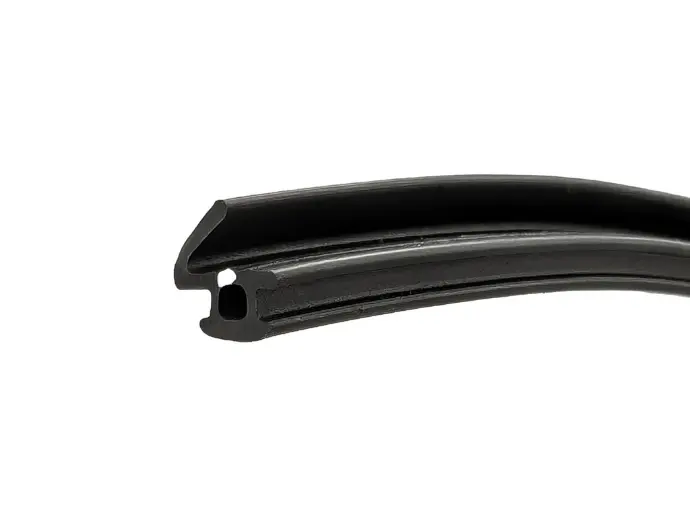
Replace your Glazing Gaskets with Seals Direct
If you’re looking for wedge gaskets, E gaskets, bubble gaskets, flipper gaskets or any other glazing gasket, the team at Seals Direct can help you identify the correct profile for your application. As a leading supplier of rubber seals and trims, we stock over 760 products to suit a wide range of window and door systems.
For expert advice on measuring and selecting the right glazing gasket for your caravan, motorhome, boat, or domestic installation, contact our technical team by email at sales@sealsplusdirect.co.uk or by phone on 01425 617722