In 2021, the UK rubber industry experienced a significant influx of investment, totalling around £350 million. This substantial financial commitment underscores the industry's dedication to growth, innovation and maintaining a competitive edge in the global market. The investment spans various aspects of the sector, from advanced manufacturing technologies to sustainable practices, and highlights the industry's focus on seizing future opportunities.
Advanced Manufacturing Technologies
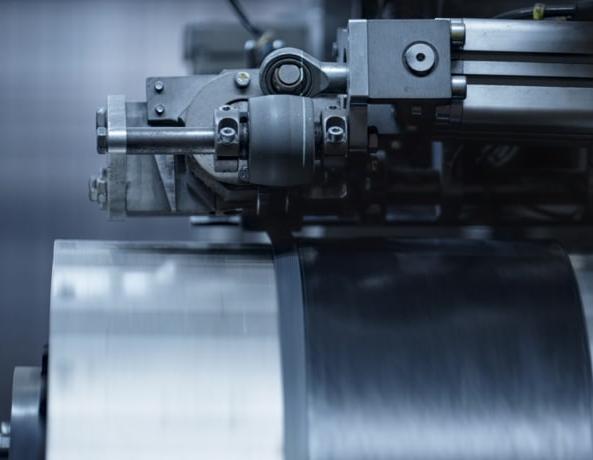
A significant portion of the £350 million investment has been directed towards the adoption and development of advanced manufacturing technologies. These technologies include automation, robotics and sophisticated 3D printing capabilities. These are essential for enhancing production efficiency and product quality. By integrating these technologies, rubber manufacturers such as Seals Direct, can streamline their operations, reduce waste and produce high-precision components that meet the stringent demands of various industries.
Automation and robotics, in particular, have revolutionised production processes within the rubber industry. These technologies not only increase production speed but also improve the consistency and reliability of rubber products. Automated systems can handle repetitive tasks with precision, reducing the likelihood of human error and ensuring that each product meets the required specifications. This level of precision is important in industries such as automotive and aerospace, where the performance of rubber components directly impacts safety and functionality.
Sustainable Practices and Environmental Impact
The UK rubber industry is increasingly focusing on sustainability, driven by growing consumer demand for environmentally friendly products and stringent environmental regulations. A portion of the investment has been allocated to research and development aimed at reducing the environmental impact of rubber production. This includes the development of bio-based materials, improved recycling processes and the adoption of eco-friendly production techniques.
Bio-based materials derived from renewable sources, such as sugarcane and corn, are being explored as alternatives to traditional petroleum-based compounds. These materials not only reduce the carbon footprint of rubber production but also promote the use of sustainable agricultural practices. Additionally, enhancing the recyclability of rubber products is an important focus area. By developing different recycling technologies, manufacturers can break down used rubber products and repurpose the materials for new applications. This helps reduce waste and promotes a circular economy.
Meeting the Challenges of a Global Market
The investment in the UK's rubber industry also addresses the challenges posed by global competition such as low-cost producers in Asia. By focusing on innovation and quality, manufacturers within the UK can differentiate their products and maintain a competitive edge in the global market. The investment supports initiatives that enhance product performance, durability and sustainability. This is helping make UK-made rubber products more attractive to international customers.
The investment facilitates the industry's ability to meet the increasing demand for high-performance rubber components in emerging sectors such as electric vehicles (EVs) and renewable energy. The shift towards EVs has created new opportunities for specialised rubber components that can withstand the unique stresses of electric propulsion systems. By investing in research and development, these manufacturers can develop cutting-edge solutions that cater to these growing markets.
Government Support and Future Prospects
The £350 million investment in the UK rubber industry reflects a collaborative effort between private enterprises and government support. Government initiatives aimed at promoting industrial innovation and sustainability play a role in fostering a conducive environment for growth. Grants, subsidies and policy frameworks that encourage research and development further bolster the industry's capacity to innovate and expand.
Looking ahead, the future prospects for the UK rubber industry appear promising. Continued private investment in technologies and sustainable practices will enable manufacturers to stay ahead of global market trends and regulatory requirements. As the industry evolves, it will continue to play an important role in the UK's manufacturing landscape and contribute to economic growth and technological advancement.