Window seals can be found on almost every modern window. They help ensure thermal efficiency, prevent draughts and are the most important component in creating a watertight seal. Among the many types of seals available, two of the most common styles are flipper gaskets and bubble gaskets. These seals, though similar in purpose, are structurally different and cater to specific applications.
This article by Seals Direct discusses what flipper and bubble gaskets are, their differences, and whether one can be replaced with the other. Finally, it provides guidance on assessing which gasket profile to use for optimal performance
What is a Flipper Gasket?
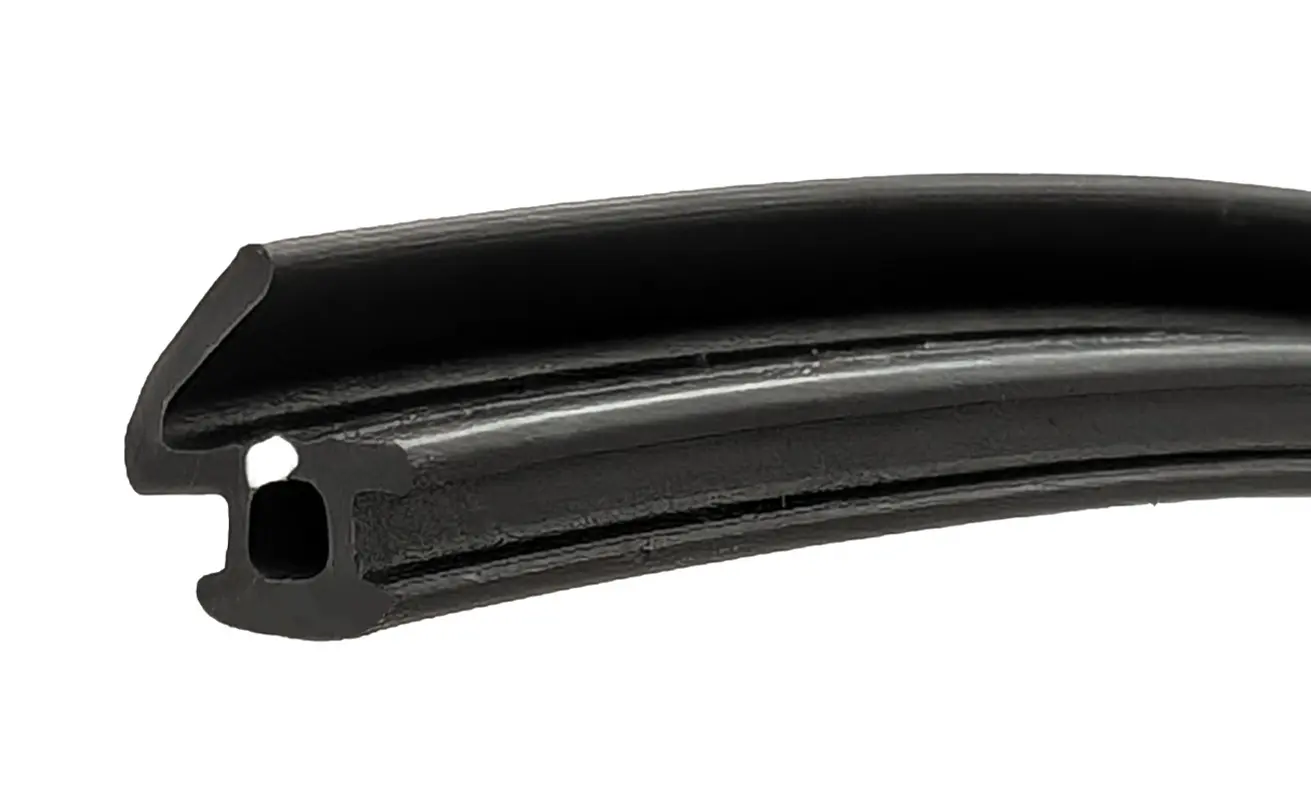
A flipper gasket is a sealing profile typically used on windows and doors. They can be manufactured from materials like EPDM rubber, silicone or thermoplastic elastomers. The design of a flipper gasket features a flat fin-like structure (the “flipper”) that compresses against the window or frame to create a seal. These gaskets are commonly used in window and door systems, particularly in applications that require minimal movement whilst ensuring consistent contact. Flipper gaskets are known for their flexibility, which allows for minor movement and misalignment without compromising the seal.
These gaskets are available in a selection of different shapes and sizes, allowing you to select a profile most suitable for your particular window. Flipper gaskets are especially suited for sliding windows, fixed glazing systems and doors where controlled compression is required.
What is a Bubble Gasket?
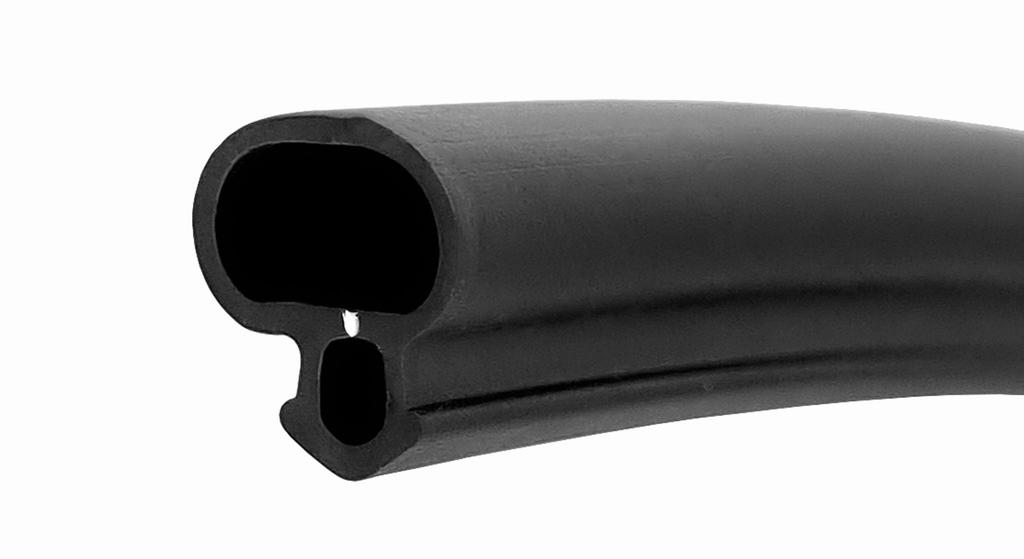
A bubble gasket, as the name suggests, features a rounded bubble-like profile that compresses against the window frame to form a seal. This gasket type is also made from materials like EPDM or silicone, which also offer excellent resilience and weather resistance. The bubble shape is designed to compress evenly and provide a tight seal while accommodating slight irregularities in the window or frame. Bubble gaskets excel in creating uniform sealing pressure and are versatile enough to be used in various applications, including uPVC windows, doors and curtain walling.
Their adaptability allows them to tolerate minor misalignments and irregular surfaces, ideal for situations where a precise fitment is challenging.
Differences Between Flipper and Bubble Seals
While both flipper and bubble gaskets serve the same primary purpose—sealing windows and doors—they differ in several aspects. The shape and design of the two gaskets are distinct; a flipper gasket features a flat fin-like structure, while a bubble gasket has a rounded tubular profile. This difference in design impacts their functionality. Flipper gaskets are better suited for applications requiring limited movement and controlled compression, whereas bubble gaskets excel in providing uniform sealing pressure and accommodating irregularities. Flipper gaskets are commonly found in sliding windows and doors, where specific directional compression is needed, while bubble gaskets are widely used in uPVC windows and doors.
Compression tolerance is another area where the two differ. Bubble gaskets typically offer greater flexibility and adaptability due to their rounded shape which can compress more easily without distorting. Aesthetic impact also varies; flipper gaskets often have a sleeker appearance, blending seamlessly into the window or door profile, while bubble gaskets, though functional, may protrude slightly more and be more noticeable.
Replacing a Flipper Gasket with a Bubble Gasket
The short answer is: yes, but with considerations. Replacing a flipper gasket with a bubble gasket can be done in some cases, but the decision depends on several factors, including the specific application, the design of the window or door system and the desired sealing performance.
Factors to Consider
The first factor to consider is compatibility with the window profile. It is essential to assess whether the bubble gasket can fit into the existing channel or groove designed for the flipper gasket. Many window and door systems have specific dimensions that must be matched to ensure a proper seal. Sealing performance is another crucial aspect. While bubble gaskets are excellent for creating an airtight and watertight seal, they may not provide the same sleek appearance as flipper gaskets in some cases.
The level of movement and compression within the system also plays a role. If the window or door system experiences significant movement, a bubble gasket’s ability to compress and adapt may make it a better choice. Durability requirements must also be considered. Both flipper and bubble gaskets are durable, but their longevity depends on the material and environmental conditions. It is essential to ensure that the replacement gasket is made of a material that matches or exceeds the performance of the original. Finally, the ease of installation should be evaluated. Bubble gaskets are often easier to install due to their uniform shape and ability to adapt to irregularities, but care must be taken to ensure the replacement process does not compromise the integrity of the window or door system.
Assessing the Right Sealing Profile
To determine whether to use a flipper or bubble gasket, start by inspecting the existing gasket. Measure the dimensions of the existing gasket and the groove or channel to identify compatible replacements. Evaluate environmental conditions, considering exposure to weather, UV radiation, temperature fluctuations, and mechanical stress. Perform a test fit with the replacement gasket to ensure it compresses appropriately and creates an effective seal. Lastly, consult the specifications and recommendations provided by the window or door manufacturer to ensure compatibility.
Replace Your Glazing Gaskets with Seals Direct
In many cases, a flipper gasket can be replaced with a bubble gasket, provided the replacement meets the design and performance requirements of the application. While flipper gaskets offer precision and sleekness, bubble gaskets provide adaptability and robust sealing capabilities. By carefully assessing the window or door system, environmental conditions, and specific needs, you can make an informed decision on which gasket profile to use.
Ultimately, choosing the right gasket ensures optimal performance, longevity, and energy efficiency for your windows and doors. Whether you’re upgrading for better sealing or replacing a worn-out gasket, understanding the differences between flipper and bubble gaskets is key to achieving a successful outcome.
For technical support or further guidance on the best glazing gasket to use for your application, please contact the technical team at Seals Direct on 01425 617722 or by email at sales@sealsplusdirect.co.uk.